
Squirrels Get a Bad Reputation. Here’s Why Your Yard Actually Needs Them.
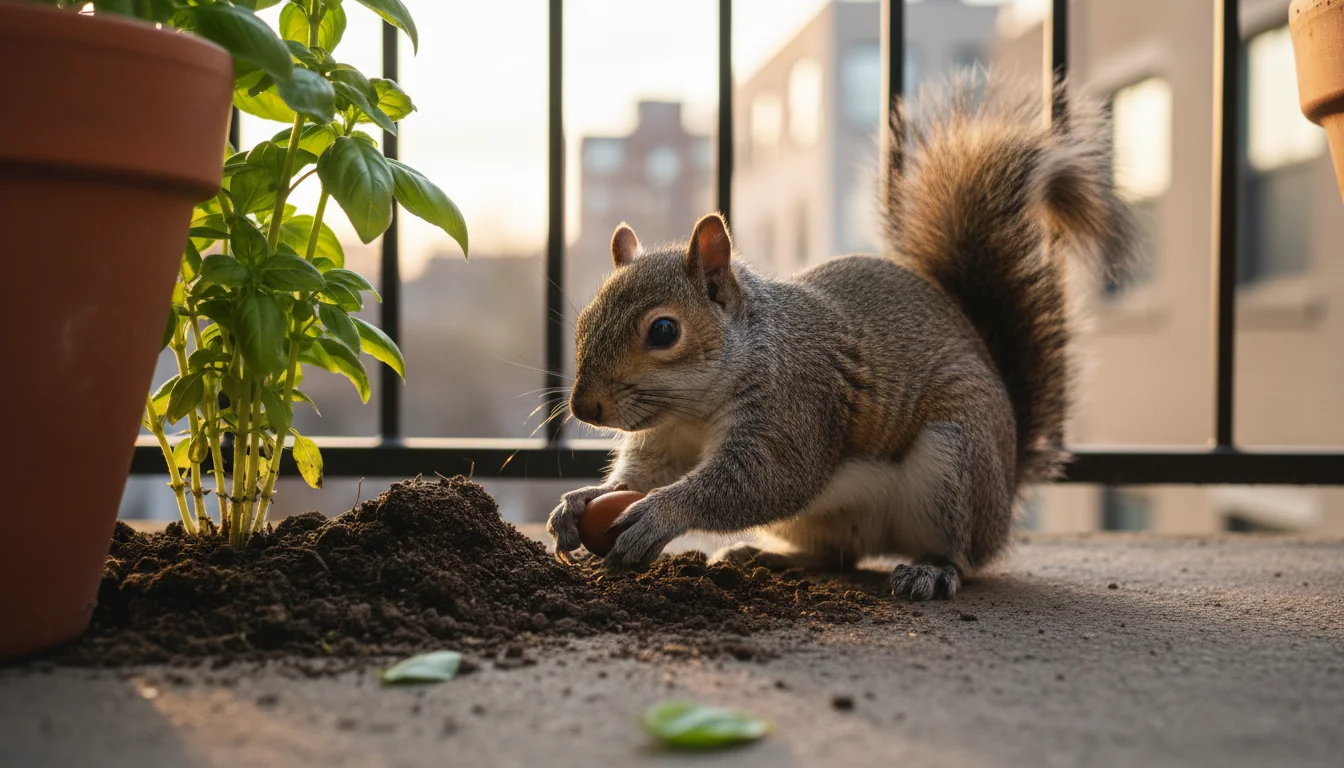
Squirrels are the animal everyone loves to complain about. They raid bird feeders, dig up bulbs, and seem to treat your yard as a personal buffet. However, before you declare war on them, it’s worth knowing what they are actually doing for your local ecosystem. Squirrels are prolific tree planters. A single squirrel buries thousands of acorns and seeds each fall and simply forgets where most of them are. Those forgotten caches become oak trees, hickories, and walnuts — the exact keystone species that support hundreds of caterpillar species and the birds that eat them. Without squirrels, forest regeneration in much of North America would look completely different.
Additionally, squirrels play a role most people never consider. They are a critical prey species for hawks, owls, foxes, and bobcats, which means a healthy squirrel population supports the predators further up the food chain. Furthermore, their digging habits aerate soil and disperse fungal spores that trees depend on for nutrient uptake through mycorrhizal networks. A yard with a thriving squirrel population is, in a very real sense, a yard with a functioning underground economy of soil health that most gardeners never see and rarely think about.
That said, coexisting with squirrels does require some strategy if you also want to support birds and protect your plantings. Use squirrel-proof feeders positioned away from jumping distance to tree branches or fences. Plant spring bulbs like daffodils, which squirrels avoid, instead of tulips, which they consider a delicacy. Finally, accept a small amount of loss as the cost of having a genuinely functioning backyard ecosystem. A few dug up bulbs is a fair trade for free oak tree planting and a healthy population of the prey species your neighborhood hawks depend on.