
Ceanothus: The West Coast Native Plant Doing More Work Than Almost Anything in Your Garden
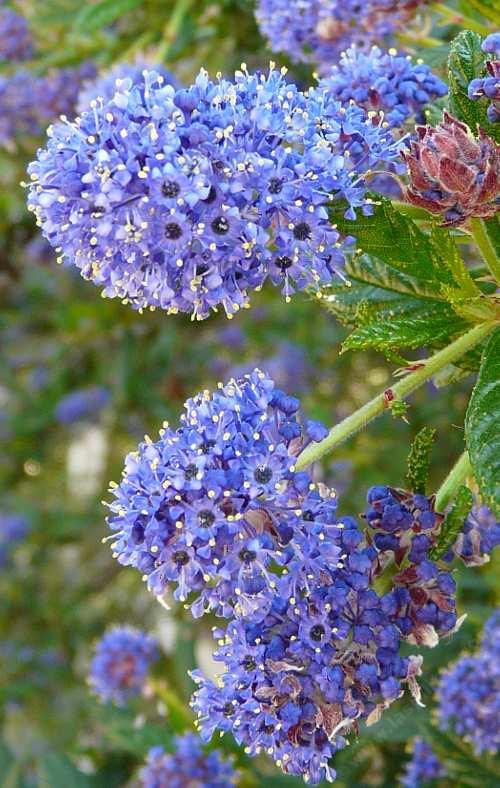
If you live anywhere along the West Coast and have not planted Ceanothus yet, you are missing one of the single highest-impact native plants available to you. Commonly known as California lilac, Ceanothus is a genus of roughly 50 species native to the western United States, and it does something most ornamental shrubs cannot. It fixes nitrogen in the soil through a symbiotic relationship with root bacteria, meaning it actively improves the ground it grows in rather than depleting it. Add to that a springtime bloom of blue, purple, or white flowers so densely covered in pollinators that the shrub audibly hums, and you have a plant that is doing serious ecological work while also being genuinely stunning in a garden.
Ceanothus is a specialist magnet. Additionally, it serves as a host plant for several native butterfly species, including the California tortoiseshell and the pale swallowtail, whose caterpillars depend on it directly. Furthermore, its dense evergreen structure provides critical nesting cover for native birds in a region where development has fragmented much of the natural chaparral habitat these species evolved in. Compare that to the non-native ornamental shrubs sold under similar names at most nurseries, which offer flowers but almost none of this deeper ecological function. The gap between a true native Ceanothus and a nursery hybrid bred purely for bloom size is significant, and it is a distinction worth understanding before you buy.
Ceanothus is also remarkably well suited to the realities of West Coast gardening. Most species are highly drought tolerant once established, having evolved for a climate defined by dry summers and wet winters, which makes them a strong fit for water-conscious gardens from the Bay Area through the Pacific Northwest. However, the one thing Ceanothus does not tolerate well is summer irrigation, since its roots are adapted to going dry after the rainy season ends. Plant it in fall or early spring, water it through its first year to establish roots, and then largely leave it alone. What you get in return is a low-maintenance native shrub supporting pollinators, butterflies, birds, and healthier soil, all without the water bill that comes with a conventional landscape.