
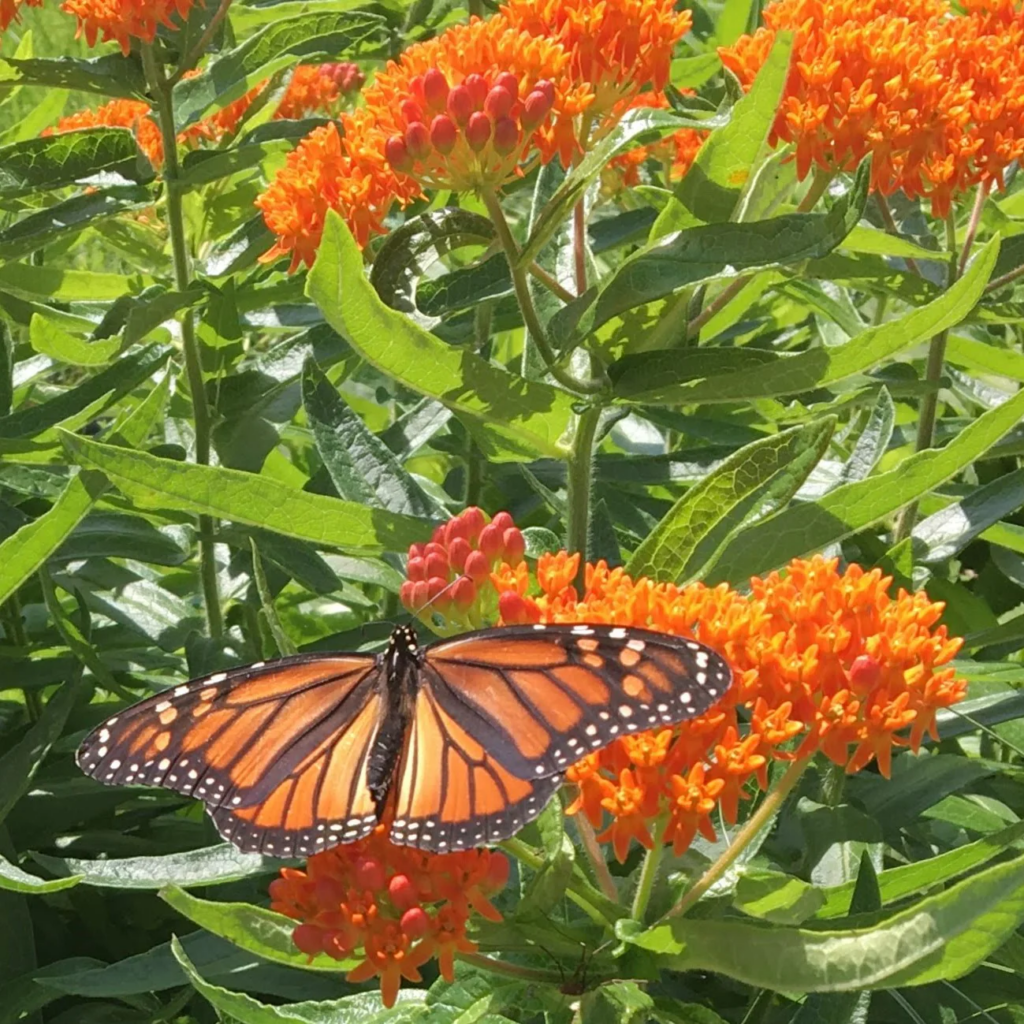
Butterfly Milkweed: The Midwest Native Plant Every Monarch Depends On
Growing Butterfly Milkweed is refreshingly low effort once it is established. It thrives in full sun and well-drained soil, tolerates genuine drought thanks to a deep taproot, and needs no fertilizer or supplemental care after its first year. However, that same deep taproot means it does not transplant well once mature, so choose its spot thoughtfully from the start. Additionally, expect it to take a season or two to fully establish before you see the dramatic bloom it is known for. Plant it once, be patient through the first year, and you will have created a permanent piece of monarch habitat that returns reliably every summer without any further work from you.
Butterfly Milkweed: The Midwest Native Plant Every Monarch Depends On
If you live anywhere in the Midwest and want to do one thing that makes a measurable difference for monarch butterflies, plant Butterfly Milkweed. Asclepias tuberosa is a true prairie native found across the central and eastern United States, and it holds a distinction almost no other plant can claim. Monarch caterpillars can only eat milkweed. Not nectar plants in general, not flowers that look similar, specifically milkweed. As monarch populations have declined by an estimated 80 percent over the past two decades, largely due to milkweed loss across their migratory corridor through the Midwest, planting even one Butterfly Milkweed in your yard becomes a direct, personal contribution to reversing that trend.
Butterfly Milkweed earns its name honestly. Additionally, its bright orange clusters of flowers are genuinely one of the showiest native plants available to Midwest gardeners, blooming through summer and drawing in bees, butterflies, and hummingbirds well beyond just monarchs. Furthermore, unlike its cousin Common Milkweed, which spreads aggressively by rhizome, Butterfly Milkweed grows in a tidy clump, making it far better suited to a smaller garden bed or a mixed perennial border without taking over. It is also worth noting clearly what to avoid. Tropical milkweed, sold widely at garden centers under a similar name, stays green year-round in warmer climates and can disrupt natural monarch migration patterns while also harboring a protozoan parasite harmful to the butterflies it attracts. If you are planting for monarchs in the Midwest, native Butterfly Milkweed is the only real choice.
Growing Butterfly Milkweed is refreshingly low effort once it is established. It thrives in full sun and well-drained soil, tolerates genuine drought thanks to a deep taproot, and needs no fertilizer or supplemental care after its first year. However, that same deep taproot means it does not transplant well once mature, so choose its spot thoughtfully from the start. Additionally, expect it to take a season or two to fully establish before you see the dramatic bloom it is known for. Plant it once, be patient through the first year, and you will have created a permanent piece of monarch habitat that returns reliably every summer without any further work from you.